Designing elegant pathways for your garden
Pathways and hardscape elements do more than provide structure—they define the flow, functionality, and aesthetic of your outdoor space. From stone walkways to patios and decorative walls, well-designed hardscape enhances the beauty of plants, improves accessibility, and creates focal points that elevate the entire garden. In this article, we explore how to select materials, plan layouts, and integrate hardscape seamlessly with greenery, helping you create a garden that is both visually stunning and practical.
Luis Donald
Garden Specialist
Lawn & planting care
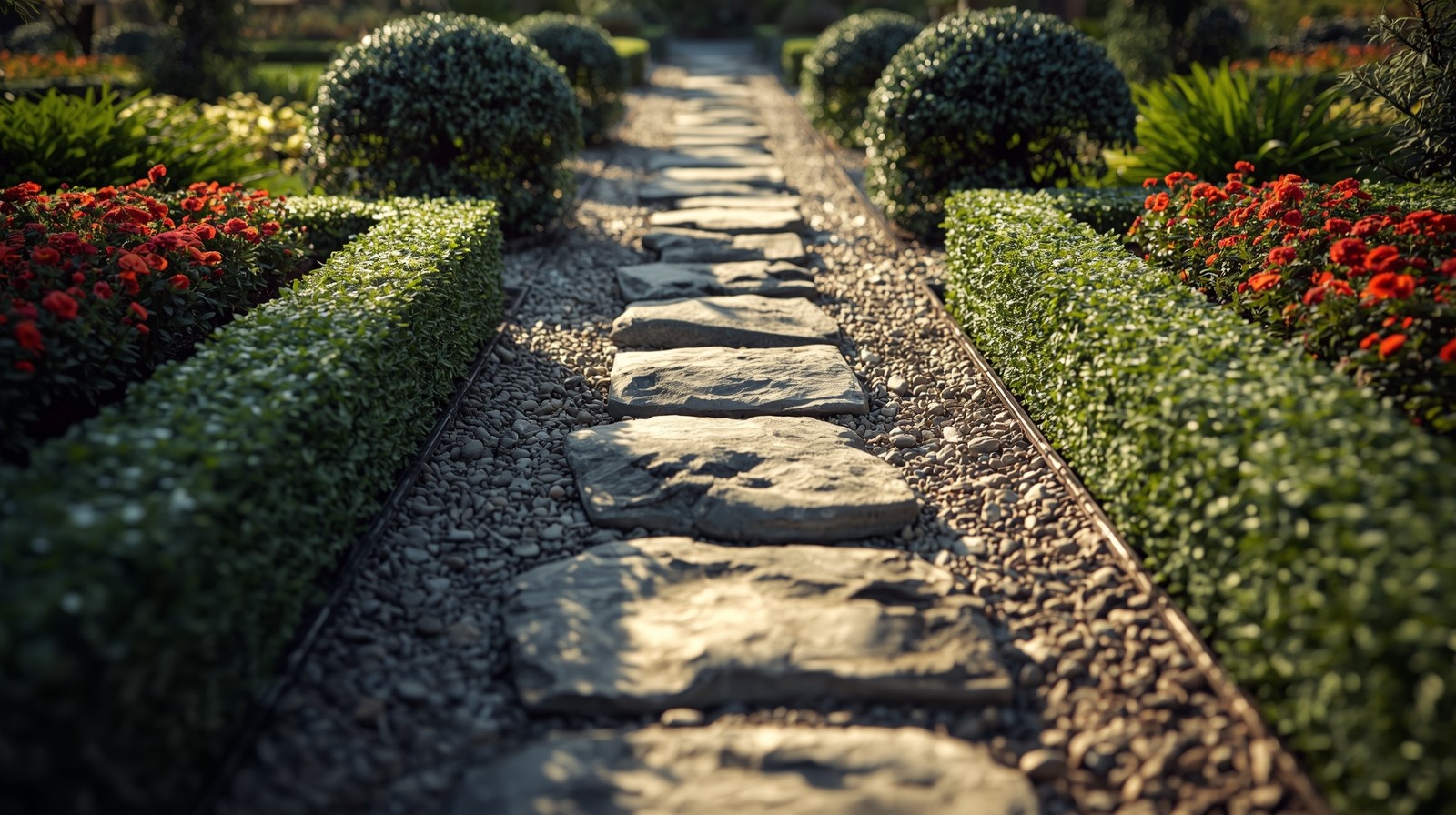
1. Choosing the right materials for your hardscape
Selecting the right materials is essential for durability, style, and maintenance. Natural stone offers a timeless, elegant look and is ideal for patios, pathways, and retaining walls. Gravel or decomposed granite provides texture and allows for better drainage, making it a low-maintenance option for walkways. Wood decking adds warmth and contrast but requires treatment to prevent weathering. Concrete can be used for modern minimalist designs, stamped or colored to mimic stone. When choosing materials, consider the overall style of your garden, budget, climate, and the level of upkeep you are willing to perform.
2. Planning layout and flow
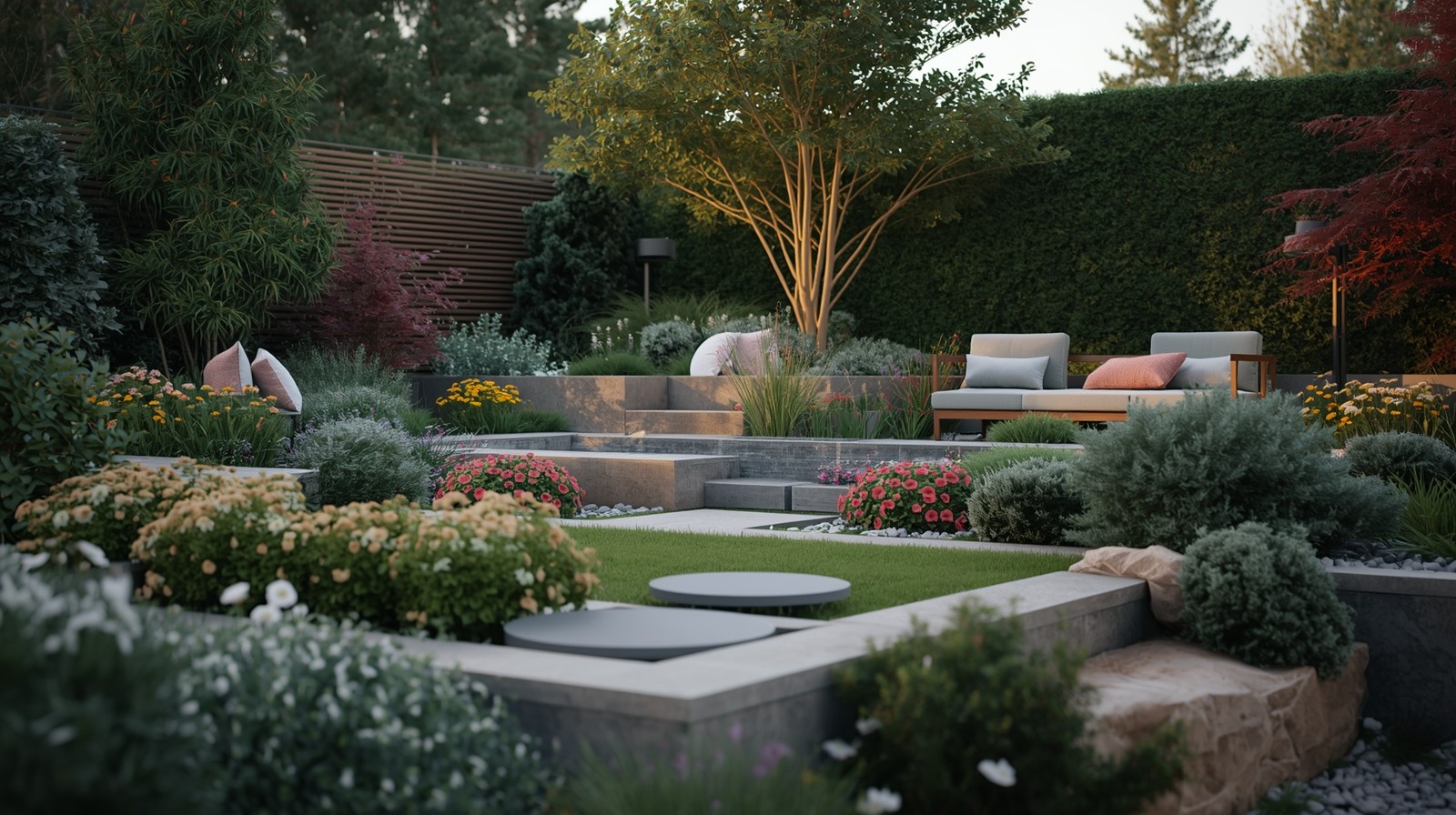
A well-designed pathway guides movement and enhances the garden experience. Curved paths create a sense of mystery and exploration, while straight lines communicate formality and order. Consider the placement of focal points such as seating areas, water features, or statues along the path to draw attention and create visual interest. Path width, stepping stone spacing, and accessibility should be planned carefully to ensure functionality. Multi-level gardens may require terracing or steps integrated into the hardscape to maintain smooth transitions between areas. Thoughtful layout planning ensures your hardscape complements rather than overwhelms your garden.
3. Integrating hardscape with planting
Hardscape should work in harmony with your plants rather than compete with them. Planting alongside pathways softens edges, adds color, and guides visitors naturally. Low shrubs, flowering borders, or groundcovers can make pathways feel welcoming, while taller hedges create privacy or frame outdoor rooms. For patios or decks, container plants and vertical gardens provide greenery without compromising space. Combining hardscape with natural elements like rocks, water features, or decorative gravel maintains a balanced, cohesive design that feels organic rather than rigid.
4. Functional and decorative elements
Beyond pathways, hardscape can include functional elements like retaining walls, outdoor kitchens, seating areas, or pergolas. Decorative hardscape such as garden walls, stone borders, or sculptural features can create focal points and add personality. Lighting is also a critical component—path lights, lanterns, or subtle uplighting highlight textures, provide safety, and create ambiance during evening hours. By combining functional and decorative elements thoughtfully, you can elevate your garden into a space that is not only practical but also visually stunning.
5. Maintenance and longevity
Even the most beautifully designed hardscape requires some maintenance. Natural stone may need occasional cleaning to prevent moss or algae buildup. Gravel paths may require topping up or leveling periodically. Wood decking needs regular sealing to maintain color and prevent decay. Choosing durable materials and planning proper installation from the start reduces long-term maintenance and ensures your hardscape remains a beautiful complement to your garden for years to come.