Top trends in garden design for a modern space
Creating a garden that is both visually stunning and functional requires a combination of creativity, planning, and awareness of current trends. Modern garden design emphasizes sustainability, multi-functional spaces, and thoughtful integration of color, texture, and materials. In this article, we explore the latest trends that can help you transform your outdoor space into a private sanctuary, a place for relaxation, entertainment, and connection with nature. Whether you have a small backyard or a large estate, these ideas can inspire a garden that is beautiful, thriving, and uniquely yours.

Luis Donald
Garden Specialist
Garden design inspiration
1. Embracing sustainable design
Sustainable gardening is no longer just an option—it’s becoming an essential aspect of modern garden design. Using native plants helps reduce water consumption and maintenance, while creating a thriving ecosystem that supports local wildlife such as birds and pollinators. Incorporating composting systems and rainwater collection ensures your garden remains eco-friendly, reducing waste and lowering your environmental footprint. Sustainable materials, such as reclaimed wood for decking or natural stone for pathways, not only look beautiful but also stand the test of time. Additionally, using solar lighting and energy-efficient irrigation systems can enhance functionality while staying green. Sustainability doesn’t mean sacrificing style; with careful planning, eco-conscious gardens can be as visually stunning as traditional designs.
2. Creating multi-functional outdoor spaces
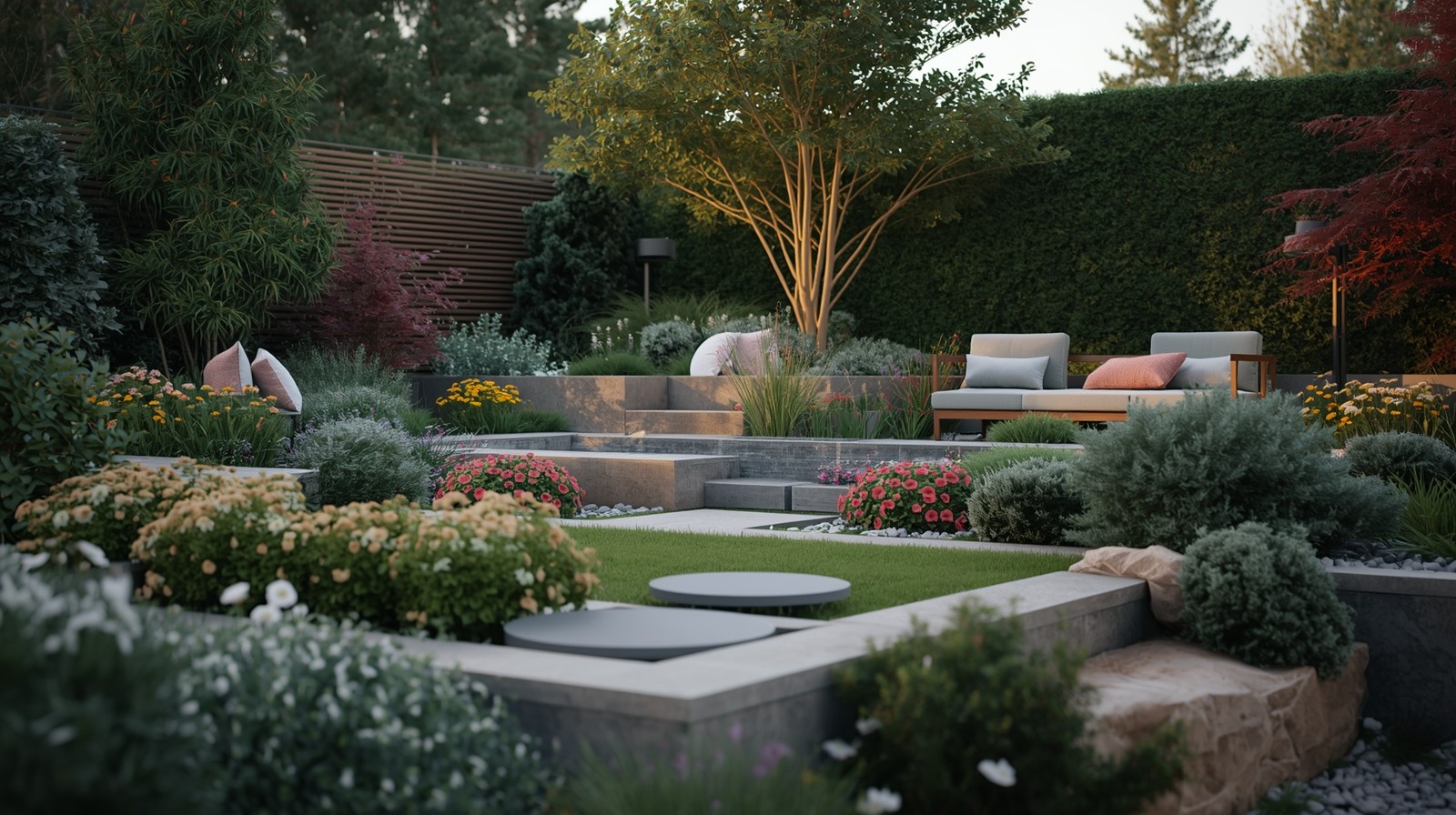
Today’s gardens are designed to be more than just visual delights—they are spaces for living. Multi-functional gardens integrate relaxation zones, outdoor dining areas, and spaces for children or pets to play safely. Pergolas, gazebos, and seating nooks create cozy corners for reading, meditating, or social gatherings. Carefully planned layouts allow for smooth transitions between these areas, using pathways, hedges, or garden beds to guide movement. Even small gardens can benefit from vertical planting, raised beds, or multi-level decks to maximize usable space. By designing with function in mind, your garden becomes a flexible environment that adapts to your lifestyle while remaining beautiful year-round.
3. Using color and texture for visual impact
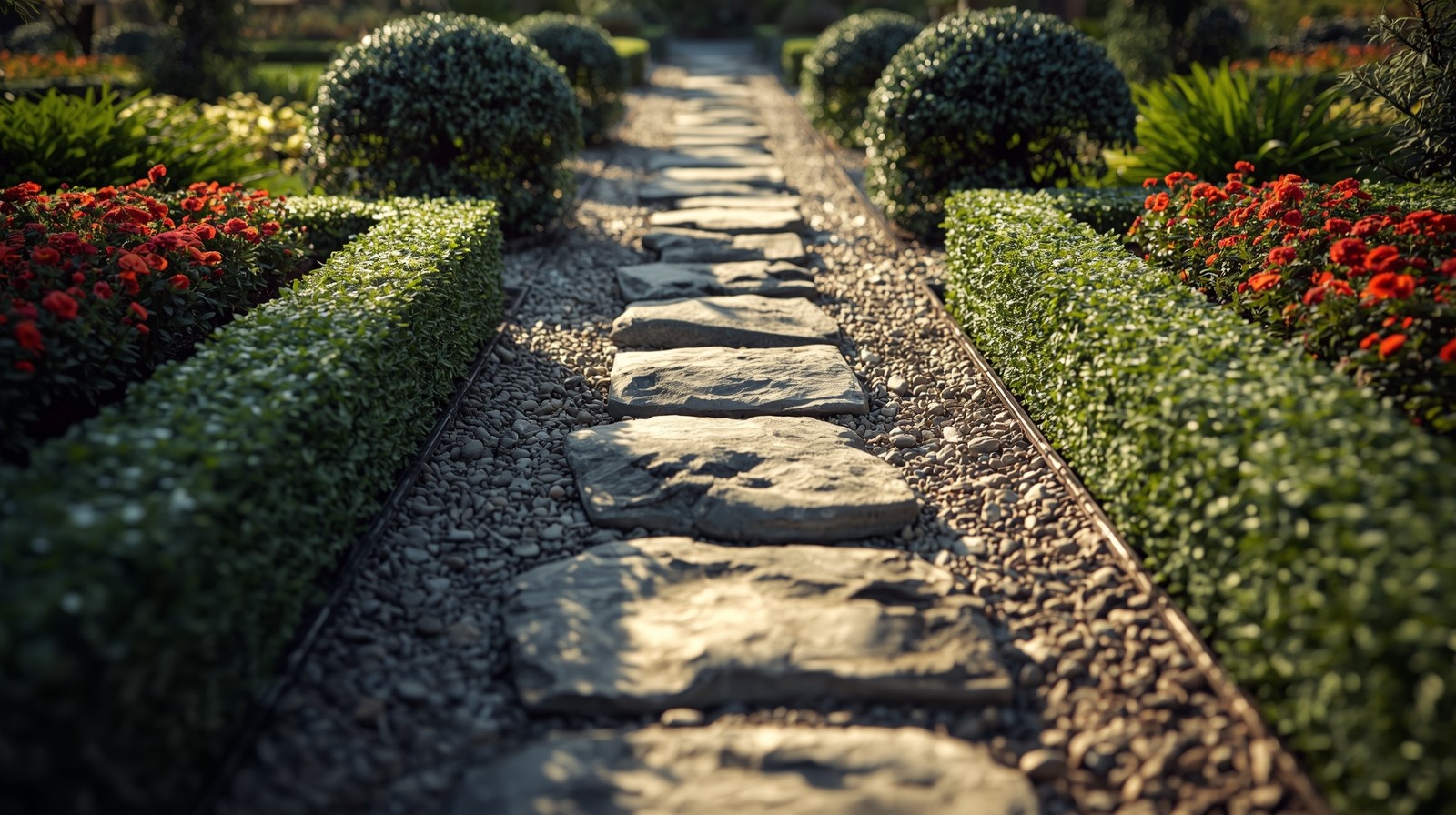
Layering different plant types, colors, and textures adds depth and vibrancy to your garden. Combine tall grasses with low-growing flowering plants to create visual contrast and a dynamic landscape. Seasonal color planning ensures that your garden blooms throughout the year, with different species peaking in spring, summer, and autumn. Incorporating textured elements such as bark, pebbles, or stone pathways adds tactile appeal and breaks the monotony of green spaces. Water features, sculptures, or decorative pots can also enhance visual interest. Properly blending color, texture, and focal points results in a garden that captures attention while providing a cohesive, calming atmosphere.
4. Integrating technology for smarter gardens
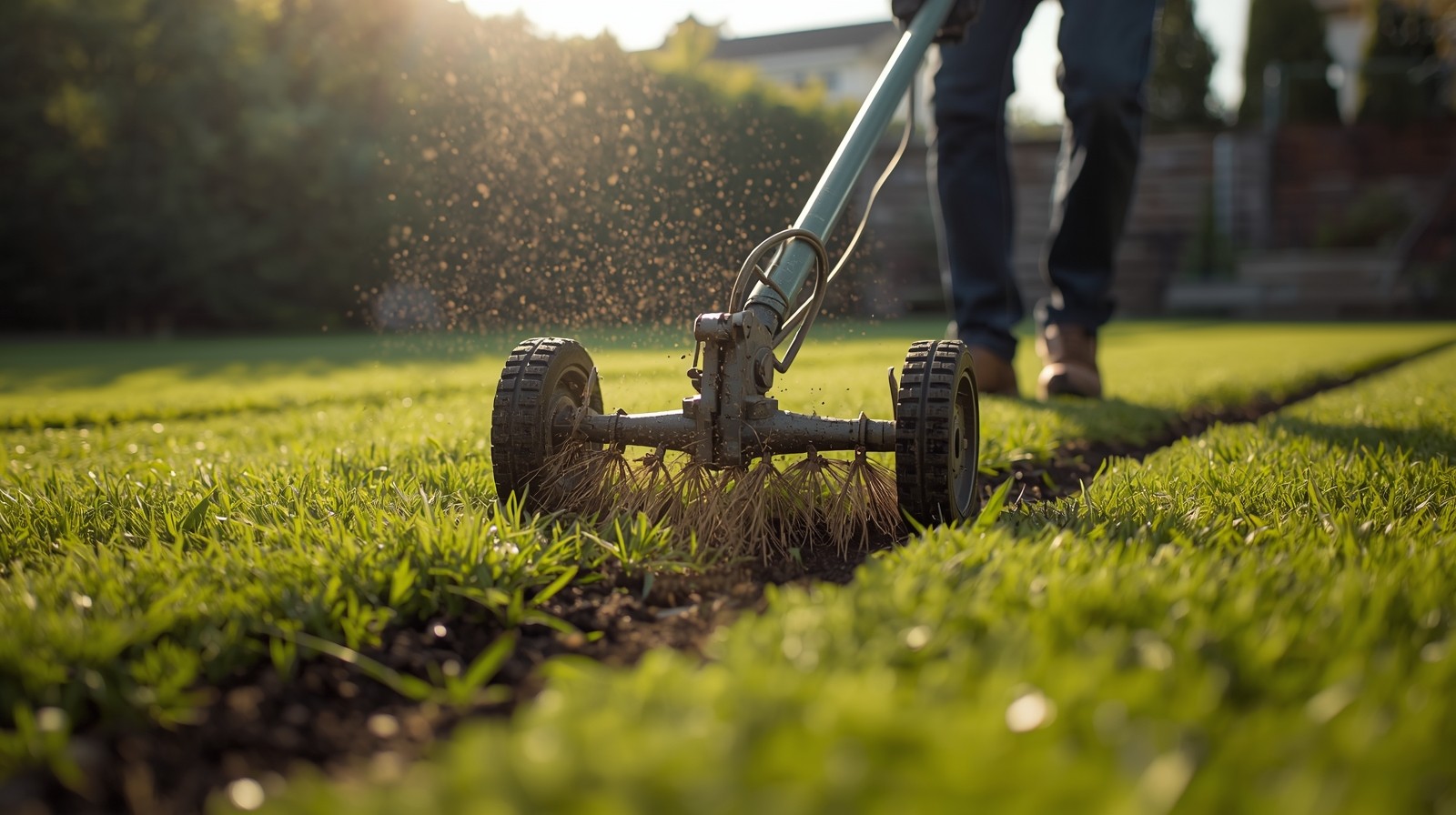
Modern gardens benefit from technology that simplifies maintenance and enhances enjoyment. Smart irrigation systems automatically adjust watering schedules based on weather conditions, preventing overwatering while keeping plants healthy. Outdoor lighting systems can be controlled via apps, allowing you to highlight key areas or create ambiance during evening gatherings. Automated lawn mowers and sensors for soil moisture or plant health reduce labor and give you more time to enjoy your garden. By embracing technology, you create a garden that is both convenient and sustainable, while still maintaining a natural aesthetic.