Essential tips for a healthy lawn and vibrant plants
A thriving garden depends on a healthy lawn and well-cared-for plants. Proper care requires understanding soil health, water management, seasonal planting, and ongoing maintenance. In this article, we share detailed guidance for keeping your garden green, vibrant, and flourishing year-round. Whether you’re starting a new lawn, revitalizing existing planting beds, or simply looking for expert advice, these tips will help you achieve a stunning garden with minimal stress and maximum results.

Luis Donald
Garden Specialist
Lawn & planting care
1. Preparing your soil for optimal growth
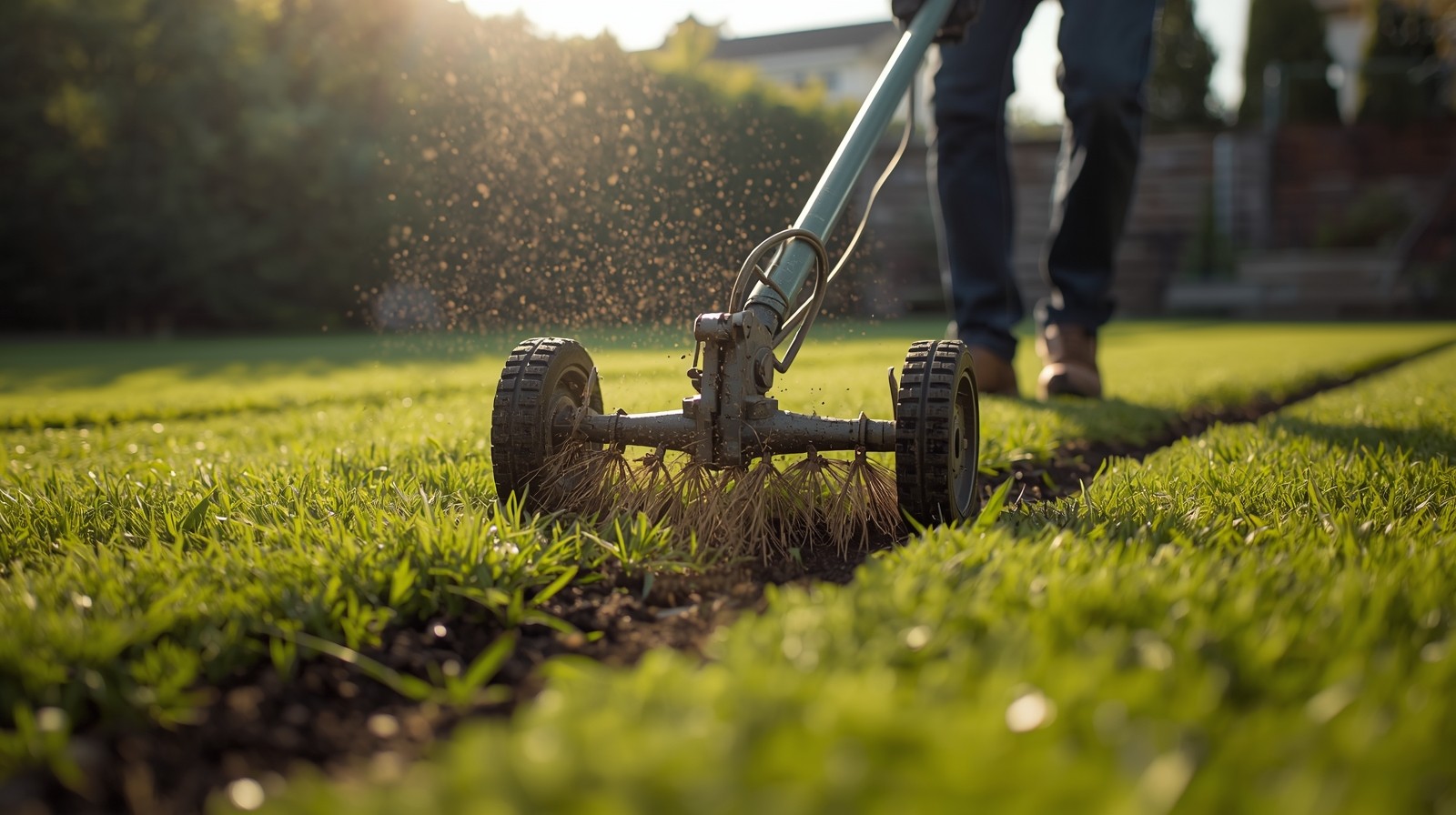
Healthy plants begin with healthy soil. Testing soil pH and nutrient levels ensures your lawn and plants get the right foundation. Adding organic compost enriches the soil, improves water retention, and encourages beneficial microorganisms that support plant growth. Aerating the lawn prevents soil compaction, allows roots to expand, and improves oxygen flow. For flower beds, adding a mix of topsoil and mulch retains moisture, regulates temperature, and reduces weed growth. Understanding your soil’s composition—whether sandy, clay, or loamy—helps you choose the right plants and fertilizers, ensuring long-term vitality and resilience.
2. Watering and irrigation best practices
Watering correctly is crucial for plant health and lawn vitality. Deep, infrequent watering encourages strong root systems, while light, frequent watering can lead to shallow roots and stress during dry periods. Using drip irrigation or soaker hoses minimizes water waste and delivers moisture directly to plant roots. Smart irrigation systems can automate watering schedules based on weather conditions, soil moisture, and seasonal needs. Morning watering is ideal to reduce evaporation and fungal growth. Mulching around plants further helps retain soil moisture and keeps roots cool, especially during hot summer months.
3. Seasonal planting and maintenance
Adapting your garden care to the seasons ensures consistent growth and beauty. In spring, focus on planting new flowers and shrubs, pruning dead branches, and fertilizing lawns to stimulate growth. Summer care involves regular watering, trimming overgrown plants, and monitoring for pests or disease. Autumn is ideal for planting bulbs for spring blooms, mulching, and preparing the soil for winter. Winter care focuses on protecting delicate plants from frost, pruning trees, and maintaining soil health. Following seasonal schedules keeps your garden healthy, vibrant, and prepared for the next cycle of growth.
4. Fertilizing and plant nutrition
Providing the right nutrients is key to a thriving garden. Lawn fertilizers should balance nitrogen, phosphorus, and potassium to encourage deep roots, lush green growth, and strong resistance to disease. For flower beds and shrubs, use slow-release fertilizers that nourish plants gradually over time. Organic fertilizers, such as composted manure or plant-based options, improve soil structure and support sustainable growth. Always follow recommended application rates to avoid over-fertilization, which can harm plants and pollute water sources.
5. Pest and disease management
Even the healthiest gardens can face pests or diseases. Regular inspections help detect problems early. Natural solutions like companion planting, neem oil sprays, or introducing beneficial insects can control pests without harming your plants or the environment. Maintaining proper spacing between plants and good airflow reduces fungal diseases. When using chemical treatments, select eco-friendly options and follow guidelines carefully to protect your garden ecosystem. Preventative care ensures long-term health and reduces the need for reactive measures.